

For centuries, diverse cultures across the global community have practiced the art of giving thanks as a cornerstone of spiritual and mental well-being. Today, modern neuroscience reveals that this ancient wisdom is backed by rigorous data. The science of counting blessings is far more than a warm sentiment or a passing mood boost; it is a profound catalyst for neuroplasticity—the brain’s biological capability to structurally alter, expand, and optimize its neural networks.
When you intentionally focus on the positive elements of your life, you are not just changing your perspective. You are physically shifting the structural landscapes of your mind, remodeling your neural pathways, and upgrading your internal brain architecture.
1. Neuroplasticity: How Gratitude Remodels the Brain’s Blueprint
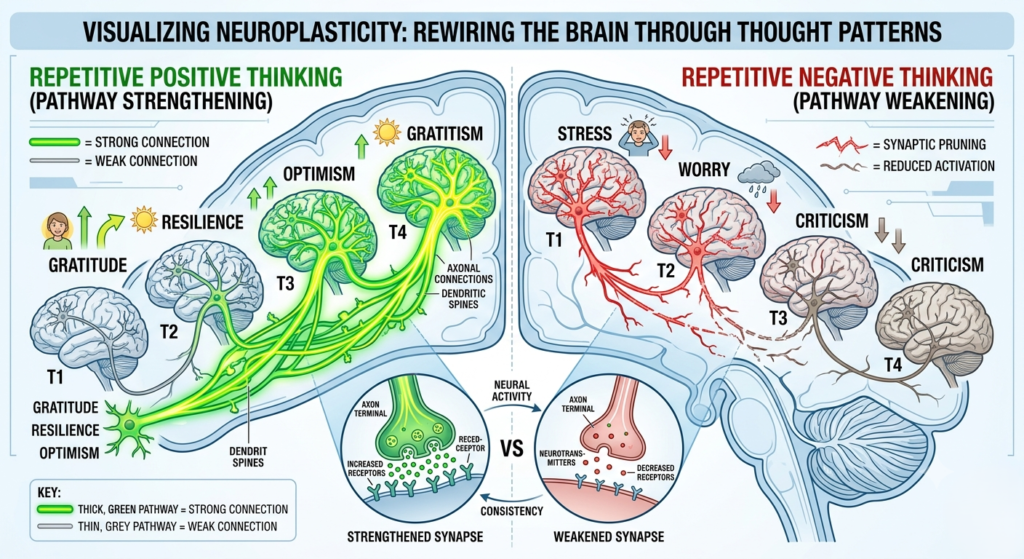
To understand how regular appreciation changes your internal framework, you must first understand neuroplasticity. The human brain is not a static, hardwired machine. Instead, it acts like dynamic clay that constantly adapts to the thoughts we think and the habits we repeat.
Historically, humans evolved with a survival mechanism known as a “negativity bias.” This bias kept early humans safe by forcing them to look out for threats, problems, and hazards. In modern life, however, this default setting often manifests as chronic stress, anxiety, and a tendency to overlook the good.
When you deliberately practice the science of counting blessings, you actively push against this evolutionary bias. Every time you identify something you appreciate, you cause a specific cluster of neurons to fire together. As you repeat this action daily, those neural pathways strengthen into permanent highways. You are essentially using your thoughts to change the physical structure of your brain, making optimism and emotional balance your new default operating system.
2. Shifting the Structural Landscape: Key Impact Zones
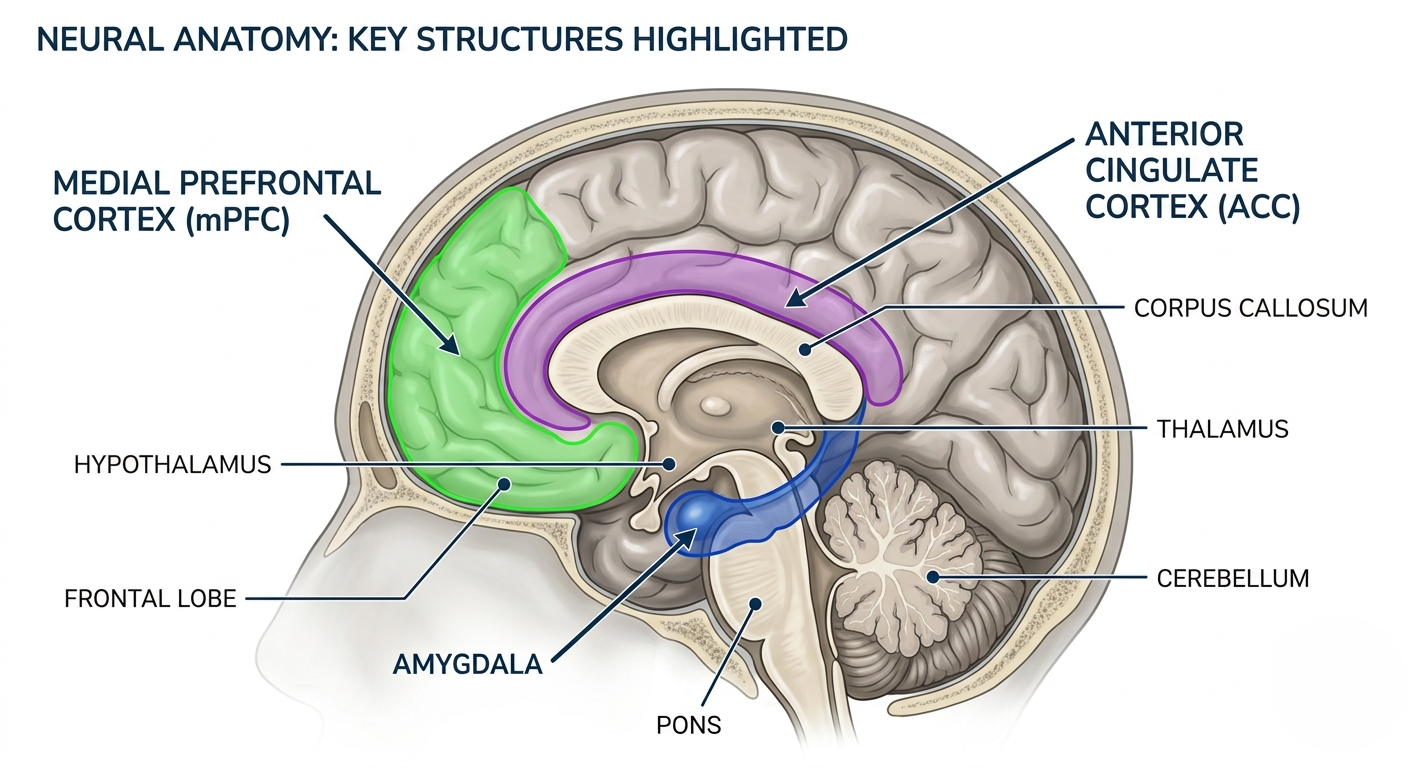
Brain imaging technology reveals that a structured gratitude habit directly alters several major regions within the central nervous system. When researchers look at the neurobiology of regular appreciation, three primary areas show distinct changes:
The Medial Prefrontal Cortex (mPFC)
The mPFC is the command center for complex emotional processing, decision-making, and empathy. Functional MRI scans demonstrate that individuals who consistently evaluate their lives for positive details show a significant increase in grey matter density and heightened neural activation within this region. This structural upgrade directly correlates with improved emotional intelligence and better long-term memory formatting.
The Amygdala (The Emotional Alarm System)
The amygdala is a small, almond-shaped structure that manages fear, anxiety, and our basic survival instincts. When you are stressed, the amygdala fires rapidly, flooding your system with cortisol. Studies confirm that a regular practice of counting blessings calms this hyper-reactive region. Over time, the physical volume of the amygdala can actually decrease, lowering your baseline stress levels and boosting your overall psychological resilience.
The Anterior Cingulate Cortex (ACC)
The ACC handles emotional regulation and social bonding. Stimulating this area through focused appreciation makes you feel more connected to those around you, naturally combating feelings of isolation and loneliness.
3. The Biochemical Blueprint: Dopamine and Serotonin Pathways
Beyond structural transformations, the science of counting blessings triggers an immediate, highly effective chemical shift inside your nervous system. By realigning your attention toward life’s advantages, you stimulate a natural pharmacy that alters your internal chemistry:
| Neurotransmitter | Primary Functional Role | Gratitude Interaction & Effect |
| Dopamine | Controls reward pathways, motivation, and pleasure signals. | When you find a blessing, your brain releases a hit of dopamine. This creates a positive feedback loop, encouraging you to look for more positive things tomorrow. |
| Serotonin | Regulates overall mood, sleep cycles, and emotional stability. | Reflecting on what you appreciate satisfies the mind, stimulating serotonin production to reduce anxiety and promote a deep sense of contentment. |
4. Practical Strategies to Build a Resilient Mind
Transforming your brain’s architecture does not require dramatic lifestyle shifts. The secret lies in simple, deliberate, daily actions. You can easily integrate these highly effective practices into your schedule:
1.The Micro-Scan Practice:First 2 minutes of your morning.
Before checking emails, notifications, or news, identify one immediate comfort in your environment. It could be the comfort of your bed, the morning light, or a quiet moment before the day begins.
2.The Specific Detail Anchor:Midday check-in.
Move past vague statements like “I am grateful for my job.” Instead, pin down a highly specific event from the last few hours. For instance: “I appreciate that my coworker took five minutes to explain that software update to me.” Specific details drive deeper emotional engagement.
3.The Tri-Blessing Journal:Right before sleep.
End your evening by documenting three distinct blessings from your day. This practice lowers evening cortisol levels, shifts your mind away from stress, and readies your body for deep, restorative sleep.
The Ultimate Scientific Takeaway
You do not need to wait for extraordinary successes or major life milestones to experience the structural benefits of appreciation. The true science of counting blessings demonstrates that by consistently acknowledging ordinary, everyday positives, you systematically rewrite your neural blueprint. Through the power of neuroplasticity, you can build a more resilient, calm, and emotionally stable brain structure that is fully equipped to handle whatever challenges life brings.